


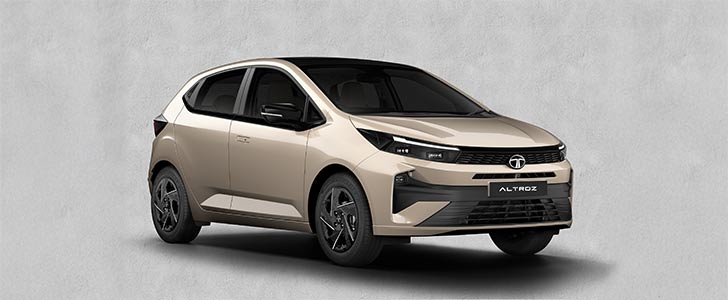
After disappearing from South Africa’s automotive landscape for several years, Tata Motors had become the industry’s proverbial forgotten child. In the early 1990s, Tata earned a strong reputation in commercial vehicles, particularly trucks and buses, thanks to their reliability and fit for local conditions. Later, the company expanded into passenger vehicles, offering a wide range of affordable options that were frankly borderline cheap.
Despite these benefits, design flaws, poor performance, and uninspiring models tarnished Tata’s image. This cemented its status as a budget-quality, under-market brand. The Bold Bolt sedan and hatchback, launched around 2015 under the HorizonNext strategy led by then-president Mayank Pareek, marked its final major release. Even with a fresh design direction, production ended in April 2019. One constant remained: Tata’s low‑price strategy.
Looking back, Tata’s South African mission was clear: to offer fuel-efficient, affordable alternatives. Yet failure to adapt to shifting market needs and ageing models triggered a sharp downturn in sales.
Now, Tata’s return to South Africa is in motion, signalling resilience, adaptability, and a renewed value-for-money promise. While the exact models remain unconfirmed, Motus, a top local automotive distributor, is targeting the value-oriented segment: entry-level cars and small to medium SUVs. Tata is homologating four models to meet South African standards. The rollout will begin with about 20 dealerships. Motus believes that noticeably improved vehicle quality will appeal to today’s buyers.
Media previews suggest a more refined lineup than before. Tata is expected to debut at least four models: the compact Tiago hatchback, the bold Punch compact SUV, the coupe-inspired Curvv crossover, and the upscale Harrier SUV—all sporting upgraded designs and features.
This comeback aligns with Motus’s larger strategy of harnessing the rise of Indian and Chinese automakers in South Africa. These brands increasingly challenge legacy players such as Toyota and Volkswagen. Unlike past budget-focused offerings, Tata now emphasises design, performance, and tech to better meet consumer expectations.
Tata’s commercial vehicle operations, predominantly trucks and buses, have never left South Africa and continue to perform well. This legacy of durability and value provides a solid foundation for its passenger vehicle comeback. With a renewed focus on quality, contemporary styling, and credibility, combined with Motus’s robust distribution network, Tata is well-positioned to re-engage South African motorists.
Written by Thanduxolo Love Mtsweni


