


The George Dick Montshiwa Airport in Mahikeng, still widely known as Mafikeng Airport, was meant to be a cornerstone of economic renewal in the North West.
More than a decade and millions of rands later, the project has yet to take off, despite taxpayers still paying millions to maintain and guard an abandoned airport.
Originally opened in as an air force base under the former Bophuthatswana government in the late 70s/early 80s, the airport once held international status and boasted one of the longest runways in Africa.
But its promise has steadily eroded through years of mismanagement, irregular planning, and a lack of commercial viability.

The airport is owned and managed by the North West Department of Community Safety and Transport Management (DCSTM).
Despite its dormant status, the site still incurs ongoing public costs, including salaries for security staff and maintenance personnel, without generating any revenue.
During a recent oversight visit by the NCOP’s Select Committee on Finance, members found the facility in relatively preserved condition, though still idle.
The committee was informed that an estimated R1 billion is required to refurbish and upgrade the airport infrastructure.
The provincial department continues to spend approximately R5 million annually on maintenance and security to preserve the facility.
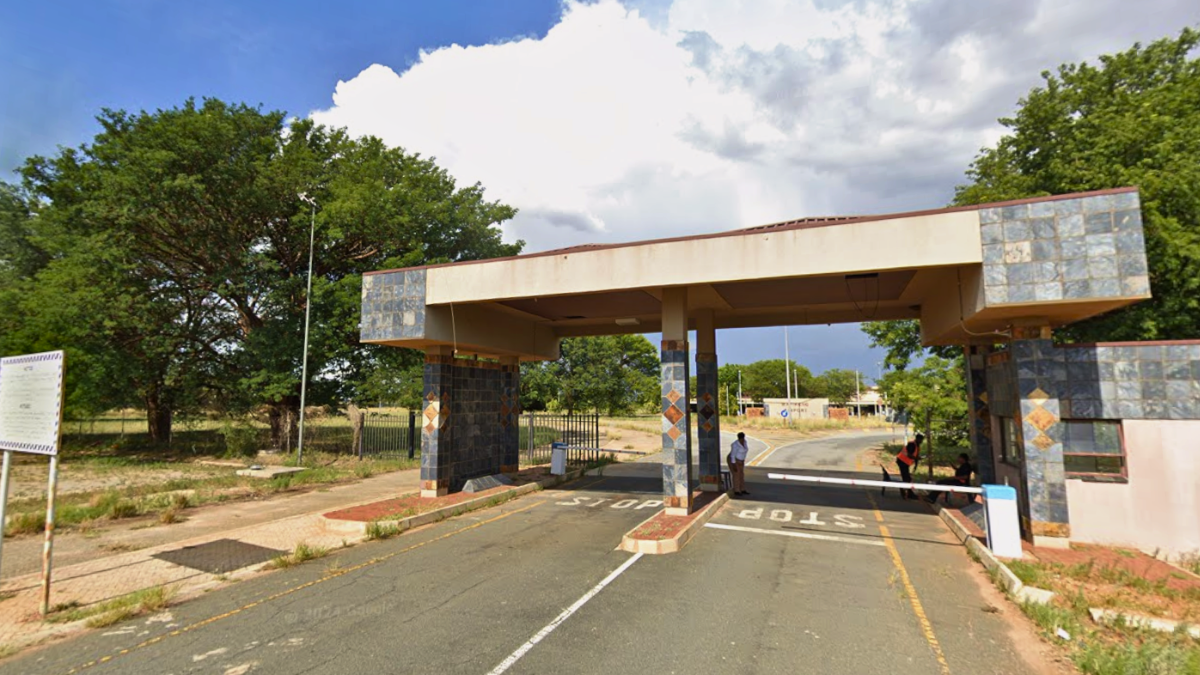
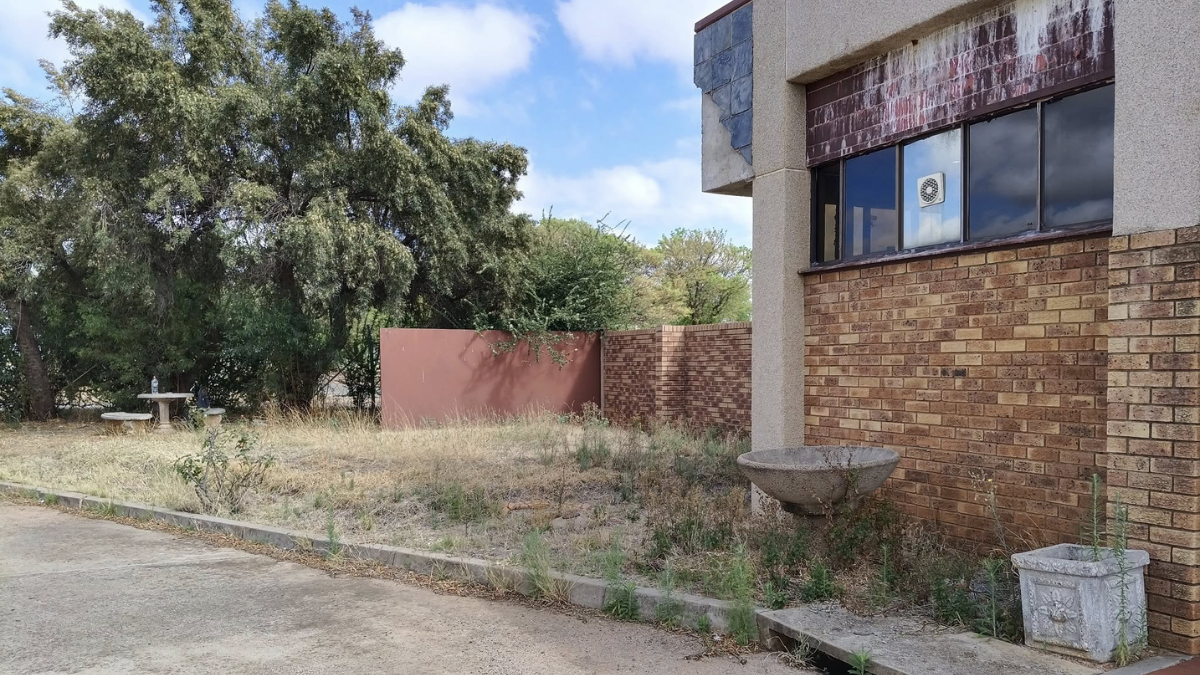
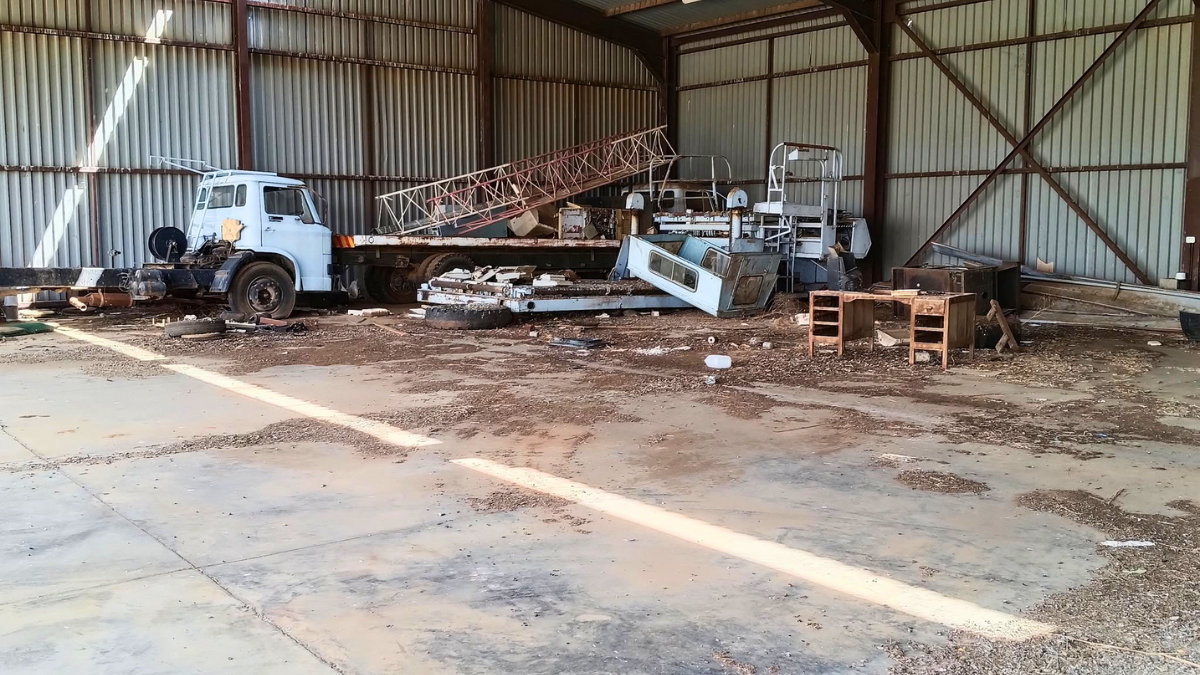
History of interrupted operations
Mafikeng Airport’s decline has been long in the making. In 2001, the South African Civil Aviation Authority (SACAA) suspended its international licence due to safety and management failures.
Although regional carrier SA Express briefly resumed flights to Johannesburg, operations collapsed again amid low passenger numbers and the airline’s own financial difficulties.
Earlier efforts to keep the route viable depended on heavy provincial subsidies to fill empty seats — a model Treasury officials later deemed unsustainable.
In 2013, the provincial government announced an ambitious plan to upgrade the airport’s infrastructure to meet South African Civil Aviation Authority and International Civil Aviation Organization (ICAO) standards.
The project, initially valued at around R45 million, included R15 million for civil works such as runway resurfacing and markings, and R30 million for an upgraded instrument landing system and electrical systems.

Officials said this would elevate the airport to a Category 5 classification, improving safety and positioning it as a cargo and tourism hub. However, this never materialised.
DA MPL Freddy Sonakile explained that there was significant funding channelled into it through management companies linked to the now defunct SA Express.
“Unfortunately, that’s where things went wrong, funds were mismanaged and squandered. Criminal cases were subsequantly opened, some of which are still ongoing.”
It was well reported that the North West Department of Community Safety and Transport paid SA Express exorbitant rates to operate the province’s Mafikeng and Pilanesberg airports, when compared with industry standards.
The 2015 deal, which is riddled with allegations of corruption and procurement irregularities, came under the spotlight again at the Zondo inquiry into state capture.
The agreement was allegedly intended to transfer up to R400 million from the North West government account to SA Express.

The commission believed R97 million of that amount was siphoned off to various entities through a “detailed scheme of money-laundering”.
The airport has remained largely inactive for more than a decade, with occasional attempts to revive operations through training schools and private partnerships with aviation clubs that failed to achieve traction.
Two aircraft remain impounded on-site by the South African Revenue Service (SARS).
This was then reinvigorated in recent years. Yet, Departmental reports show that while consultants were appointed and designs completed, construction has not begun.
Tender documentation was only submitted in March 2025, with the six-month construction phase still awaiting contractor appointment.
By Seth Thorne – NewsDay


