


As South Africa continues to accelerate its transition toward a digitally connected economy, the expansion of fibre infrastructure remains a critical priority. Fibre Network Operators (FNOs) are scaling deployments at an unprecedented pace to meet growing demand for high-speed, reliable connectivity across residential, commercial, and industrial sectors.
At the centre of this expansion is the need for dependable, high-quality infrastructure — particularly fibre optic cable. Global Optic Cable SA, a South Africa-based fibre optic cable manufacturer, is playing an increasingly important role in supporting this rollout through locally produced, specification-compliant solutions tailored for the local market.
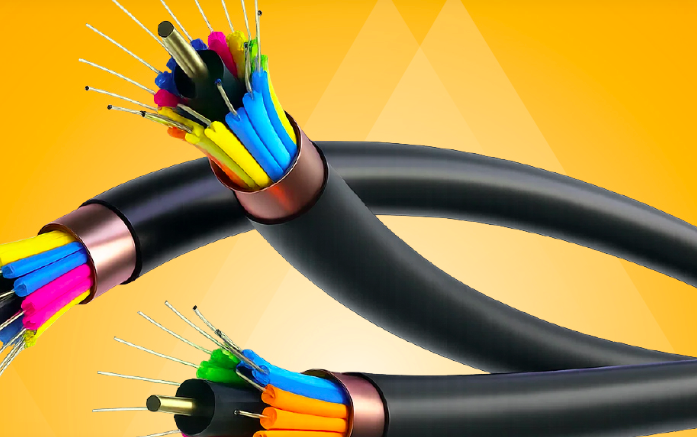
Supporting Fibre Rollout Through Local Manufacturing
The ability to source fibre optic cable locally offers several strategic advantages to the South African telecoms ecosystem. By manufacturing within the country, Global Optic Cable SA is able to provide shorter lead times, improved supply chain reliability, and greater responsiveness to the evolving needs of FNOs and infrastructure providers.
This is particularly relevant as network operators continue to expand fibre-to-the-home (FTTH) and fibre-to-the-business (FTTB) deployments, where project timelines and consistent material quality are critical to success.
In addition, local production contributes directly to South Africa’s economic development goals. Manufacturing operations create skilled employment opportunities, support industrial growth, and reduce reliance on imported infrastructure components.
Meeting Industry Standards and Performance Requirements
As fibre networks become more complex and widespread, the importance of quality and compliance cannot be overstated. Fibre optic cables must meet stringent performance and durability standards to ensure long-term network reliability.
Global Optic Cable SA focuses on producing cables that meet international specifications while also addressing the specific environmental and operational conditions found in South Africa. This includes considerations such as installation environments, climate variability, and long-term maintenance requirements.

By aligning product development with both global standards and local conditions, the company supports network operators in delivering robust, future-proof connectivity solutions.
Enabling Scalable and Cost-Effective Deployment
Cost efficiency remains a key consideration in large-scale fibre rollout projects. Locally manufactured fibre optic cable can help reduce logistical costs, minimise delays, and improve overall project efficiency.
For FNOs operating in a highly competitive market, these efficiencies can translate into faster deployment, improved service delivery, and the ability to reach more communities.
As demand for bandwidth continues to grow — driven by remote work, streaming, cloud services, and digital transformation — scalable infrastructure solutions will be essential in ensuring that South Africa keeps pace with global connectivity trends.
A Growing Role in South Africa’s Digital Future
With fibre networks forming the backbone of modern communication, companies involved in infrastructure supply are becoming increasingly important contributors to the country’s digital transformation.
McNeil Jackson, CEO of Global Optic Cable SA, believes that local manufacturing will play an even greater role as the market evolves:
“South Africa has a real opportunity to build not just connectivity, but capability. By investing in local fibre manufacturing, we’re strengthening the entire value chain — from faster deployment on the ground to long-term skills and job creation.
At the same time, we’re positioning ourselves for a broader global footprint. With expansion initiatives including our manufacturing presence in the United Kingdom, our goal is to deliver South African-built quality to international markets while supporting fibre network growth both locally and globally.”
Global Optic Cable SA‘s role as a local fibre optic cable manufacturer highlights the broader value of building domestic capability within the telecommunications supply chain. By combining technical expertise with local production and international expansion, the company is positioning itself as a key contributor to the future of fibre infrastructure.
As South Africa continues to invest in connectivity, collaboration between network operators, infrastructure providers, and local manufacturers will be essential in delivering sustainable, high-quality broadband access at


